How to Sell Plants Online in 2026?

You can turn a plant shelf into income, but only if you treat the plants like live inventory. A plant that looks good today can arrive damaged, lose roots, carry pests, or sit unsold if you choose the wrong variety.
If you want to know how to sell plants online, you need more than a pretty photo and a listing. You need to choose plants you can grow, check, price, pack, and explain to buyers. This post covers home selling, wholesale buying, plant dropshipping, compliance checks, and the mistakes that can cost you healthy stock. The goal is a setup you can run without harming your plants or confusing buyers.
How to Sell Plants Online From Home?
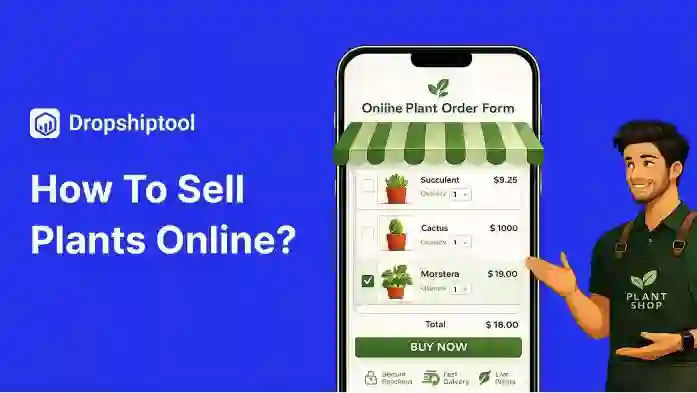
The safest answer to how to sell plants online is to begin with plants you already own. That route lets you test demand with cuttings, starter plants for sale, and rooted propagations before you spend money on large wholesale orders.
A home seller in the notes began by selling extra plants and cuttings from a personal collection. The first sales came through Facebook Marketplace, Facebook groups, Instagram stories, and later Etsy. That path works because selling plants from home lets you test real buyers without treating every plant purchase as inventory.
Use these starter channels before you create a plant-selling website:
- Local Facebook groups: Post clean photos, clear pickup rules, and the exact plant name when you want to know how to sell plants locally.
- Marketplace listings: Facebook Marketplace, Craigslist, and plant swaps can help you answer ‘where can i sell my plants without shipping?’ first.
- Instagram stories: This route works better when buyers already trust your page and know you ship what you show.
- Plant communities: Plant Purge USA, local plant groups, and r/Flipping can help you study price behavior, but your plants still need clear photos and honest descriptions.
If you plan to turn a plant nursery at home into a real nursery plants business, you will need cleaner records, better packing, and a real selling process. Running a plant nursery is still a small business. The products just happen to be alive.
Which Plants Can You Sell for Profit?
Plant choice decides how much work sits behind each sale. The notes separate profitable plants into two groups: rare plants with higher selling prices and easier plants that grow fast enough to sell in batches.
1. Rare and collector houseplants
Rare plants can bring higher prices, but they need tighter care. The raw notes list variegated Monstera cuttings at $450 or more, Anthurium clarinervium at $100 to $200, Alocasia azlanii at $165 to $550, Philodendron tortum near $400, and mature Monstera Thai Constellation plants at $400 or more.
These plants suit sellers who can control humidity, bright indirect light, watering, and pests. They also suit buyers who already know what they are buying. If you cannot keep the mother plant healthy, a rare plant can become debt instead of stock.
2. Fast growers and vining plants
Vining plants are one of the best ways to sell plants online from a home setup because they grow and propagate faster. The notes call out Cebu Blue pothos, Syngoniums, Philodendron Brasil, pothos, and other vining plants as reliable sellers.
These are not always high-ticket plants, but they can move faster. A Cebu Blue cutting may sell for less than a rare Philodendron, but the plant may require less daily attention, root faster, and give you more cuttings.
3. Beginner plants, herbs, and seasonal plants
Small household plants are useful because many buyers live in apartments or smaller homes. Snake plants, spider plants, pothos, ZZ plants, peace lilies, and succulents fit this buyer because they need less maintenance than rare tropical plants.
Herbs and edible plants can reach buyers who want basil, cilantro, cherry tomatoes, strawberries, or catnip. Seasonal plants and flowers, such as poinsettias, tulips, and daffodils, can sell around gift or garden seasons. Caladiums can also be attractive for quick inventory because the notes list bulbs around $4 to $5 and mature plants around $30 to $80.
How to Make Money by Selling Houseplants Online?
The ultimate guide to selling plants online starts with care, not the listing page. Healthy roots, clean leaves, and stable plants create fewer refunds and better reviews.
1. Propagate with a repeatable process
The seller in the notes uses water first, then sphagnum moss, then substrate. That process gives fresh cuttings a chance to grow water roots, then shift into a medium that prepares them for a real pot.
Propagation bins can also help contain pest issues. If one bin gets mealybugs or spider mites, the problem stays inside that bin instead of spreading across a whole grow tent. Bins also keep cuttings warm, humid, and easier to check.
2. Feed and inspect the plants
Plant cuttings need energy to push new roots and growth points. The notes mention Osmocote granules, fish tank water, and liquid fertilizer as feeding methods used on propagations.
Before listing, check the root system, not just the leaves. A plant can look full above the soil and still have weak roots. If a five-inch pot only has a two-inch root mass, the plant may disappoint the buyer after arrival.
3. Price by effort, scarcity, and demand
Pricing is part research and part judgment. The notes suggest searching Etsy for the exact plant, checking how many listings appear, and deciding whether the plant is easy, slow, rare, or common.
A common Golden Pothos may need a lower price because buyers have many choices. A slower, uncommon plant can carry a higher price if it is healthy, well rooted, and photographed clearly. Supplies matter too. The notes list small propagation cups at 7 to 10 cents and sphagnum moss around $20 per bag, with the per-plant cost spread across many plants.
How to Start a Plant Nursery Business With Wholesale Stock?
Wholesale makes sense when you want to move from casual selling to a more serious plant store. It does not suit every seller.
In the United States example from the notes, wholesale greenhouses usually ask for a registered business and a resale certificate. Some wholesalers will reject online-only sellers because they only work with brick-and-mortar stores. Others set minimum order amounts, minimum plant counts, or pack sizes.
Use this checklist before you buy wholesale plants:
- Business paperwork: Check your state, country, or local rules before asking for house plant wholesale access.
- Supplier distance: Local or nearby plant vendors reduce shipping stress and plant damage.
- Minimum orders: Some wholesalers sell one plant at a time, while others sell packs of six or more.
- Shipping and delivery: The notes mention wholesale shipping ranging from $100 to $600, while one local delivery cost $45 plus a $20 tip.
- First order size: Start with a small order when testing a new plant supplier, then check transaction quality before buying more.
Once stock arrives, repotting is optional, but the notes show why it can improve the product. The seller repots into clear pots, removes mesh plugs, checks roots, checks pests, replaces the potting mix, cleans the leaves, adds labels, and takes individual photos.
How to Sell Plants Online With Dropshipping Suppliers?
Plant dropshipping suppliers can help you sell plants online without holding every plant at home. That can work for sellers who want plants online, online plants for sale, accessories, or plant kits without repotting each order.
1. Plantly
Plantly is a plant marketplace built around independent micro nurseries, side hustlers, and plant buyers. It fits sellers who want a plant selling app or marketplace path rather than a full plant website at first.
2. Everspring.app
Everspring.app presents itself as a platform for selling plants, flowers, and home decor online, with dropshipping, logistics, product content, and marketing tools. It may fit sellers researching how to sell plants online near Europe because its product page describes plants and flowers from European growers.
3. House Plant Dropship
House Plant Dropship works with plant farmers in Southern California and Florida and ships plants straight to customers. It also has a Shopify app under HPD, which makes it relevant for Indoor plant dropshipping suppliers, Plant dropshipping suppliers USA, and House Plant Dropship reviews research.
4. Plantboy Live Plant Dropship
Plantboy Live Plant Dropship says it ships plants from greenhouses to customer doors and currently serves Shopify stores first through its sign-up flow. Use it when researching a live plant dropshipper or plantboy supplier path.
5. Plant Orbit
Plant Orbit is an India-based online plant nursery that lists plants, seeds, pots, planters, fertilizers, and gardening supplies. It is worth checking for How to sell plants online in india, how to sell plants online near hyderabad, telangana, and bulk plant sourcing questions.
6. Other garden dropshippers and plant suppliers
AutoDS is a plant dropshipping research route with marketplace products, import drafts, pricing math, sourcing requests, and order handling. House Plant Box offers houseplant subscriptions, while Perfect Plants sells nursery-grown trees and plants, including the Fruit Cocktail Tree from the notes. Air Plant Supply Co. offers air plants, wholesale air plants, business services, and drop-shipping information. Sprout South appears in the notes as an accessory source, but verify the exact supplier page before placing orders.

For product research before you start dropshipping plants, use Dropshiptool to compare demand signals, Product Database to scan possible plant or accessory items, Ad Spy Tool to review plant creatives, Competitor Research to study other plant stores, AI Sales Tracker to track sales signals, and best dropshipping business ideas for niche comparison.
Is It Legal to Sell Plants From Home?
Is it legal to sell plants from home? Usually, yes, but the rules change by location, plant type, tax status, and shipping route.
If you sell plants online USA, check state business registration, resale certificates, and plant shipping rules. APHIS says it regulates live plants, cuttings, seeds, cut flowers, greenery, fruits, vegetables, soil, wood products, and related items imported into the United States to protect agriculture. It also says most plants and seeds for planting need a PPQ 587 permit when imported, and the buyer or importer must meet U.S. import rules.
For cross-border shipping, check plant health certificates, import rules, invasive species restrictions, and protected plant rules before you list rare or exotic stock. EFSA says plant passports are required for trade of seeds, cuttings, plants, and trees between businesses in the EU, and plant passports support origin tracing and plant health compliance.
Do I need GST to sell plants online? In India, use the official GST portal and a tax professional for your exact case. The CBIC FAQ says a person dealing only in fully exempt supplies is not liable for GST registration, and there is no GST registration requirement only for interstate purchases.
Top Mistakes to Avoid When Selling Plants Online?
Here are a few common mistakes to avoid when selling plants online:
- Buying plants on credit: A rare plant can die before it roots, sells, or gives you a cutting. Debt makes that loss harder to recover from.
- Choosing plants outside your care range: If you cannot meet the plant’s humidity, light, watering, substrate, and pest needs, do not treat it as inventory.
- Skipping root checks: Leaves can hide root rot, weak roots, or mesh plugs. Check every wholesale plant before listing it.
- Ignoring pests: Pest outbreaks can stop your shop until the plants are clean. Check incoming plants and treat issues before they spread.
- Over-propagating mother plants: Cutting too many nodes can leave mother plants weak, sparse, and more open to pests.
- Selling before you test shipping: Practice shipping with friends or plant group buyers who pay shipping only. You need to know whether your packing method protects the plant.
Conclusion
Healthy plants, honest photos, clean packing, and careful pricing matter more than the platform you choose. If you want to know how to sell plants online, start with a small batch, check every root system, test local demand, and only scale when your care and shipping process hold up. A plant shop can begin with one shelf at home and grow into a real business when each listing is backed by stock you trust. Keep the work simple, document what sells, and protect the mother plants.